A Thought-Leader In Family & Children’s Dance Classes | Houston, TX
Frame Dance is a thought leader in dance education, inspiring the next generation of movers, makers, and world changers by offering dance classes for adults & children, multi-generational ensembles, professional performances, networking events, and film festivals. We are nestled between West U and the Museum District.
We believe in developing the whole dancer, teaching critical life skills such as creative thinking, leadership, collaboration, and resilience through our artful and playful dance curriculum at our studio and in partner schools.
Our adult modern dance classes are designed to offer you the joy and magic that’s possible when you create space in your life to move, to grow, and to share in the creative process with a like-hearted community.
For more than ten years, Frame Dance has brought radically inclusive and deeply personal contemporary dance to Houston. Led by Founder and Creative Director Lydia Hance, whom Dance Magazine calls “the city’s reigning guru of dance in public places,” the professional company is made up of six acclaimed co-creators committed to collaboration. Frame Dance has created over 50 unique site-specific performances and nine dances for the camera screened in festivals all over the United States and Europe. With an unrelenting drive to make dance in relationship to environment, Frame Dance has created dance works for and with METRO, Houston Museum of Natural Sciences, Houston Parks Board, Plant It Forward Farms, CORE Dance, Rice University, Houston Ballet, 14 Pews, Aurora Picture Show, and the Contemporary Arts Museum. Frame Dance’s productions were described by Arts + Culture Texas Editor-in-Chief Nancy Wozny as “some of the most compelling and entertaining work in Houston.” Creative Director Lydia Hance is a champion of living composers and is dedicated to work exclusively with new music.
So happy to be relaxing this weekend! Hope your Saturday is going well, here are some fun links we liked this week!
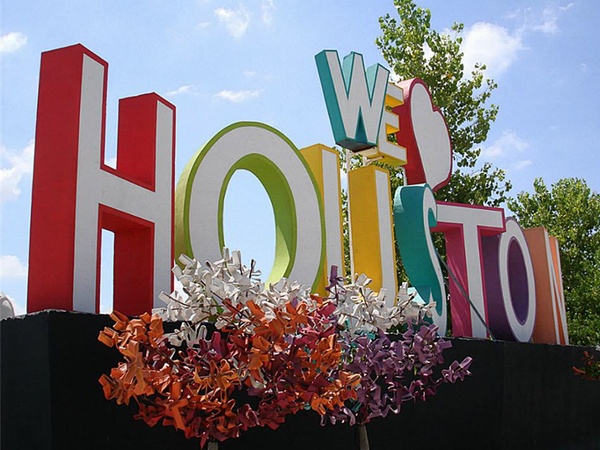
As you know from our post yesterday, we LOVE Houston, so of course we wanted to share this article with you about Houston getting it’s own hollywood-style sign!
If you’re really in the mood to learn more about Houston, check out what the Smithsonian magazine has to say!
Also from the Smithsonian Magazine: an interesting article on yoga in art
Houston, we don’t have a problem. We have arts and culture.
There’s more to Houston than brisket, big oil, and bayous. Houston has another story to tell. The story of how this city has become a mecca for some of the best arts, culture and food in the country. We have a winning combination of creativity, diversity, innovation and resources to be named Forbes’ “Coolest City.” Thousands of people come here every year ON PURPOSE to experience everything Houston has to offer. Thousands more will visit, especially now that The New York Times marked Houston #7 on its “Places to Visit in 2013” list (along with Instanbul at #10 and Paris at #46). (True story.) Well, hello, Houston. That’s something to brag about.
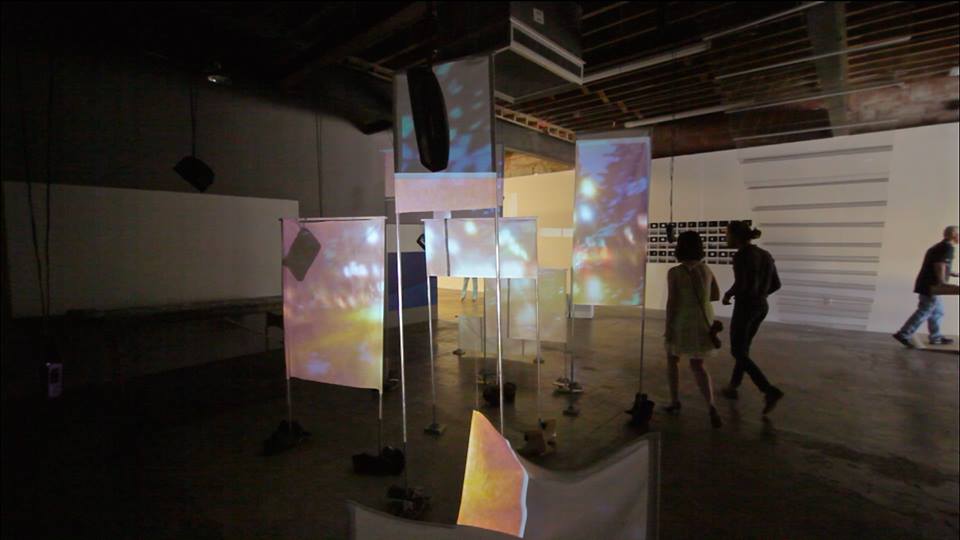
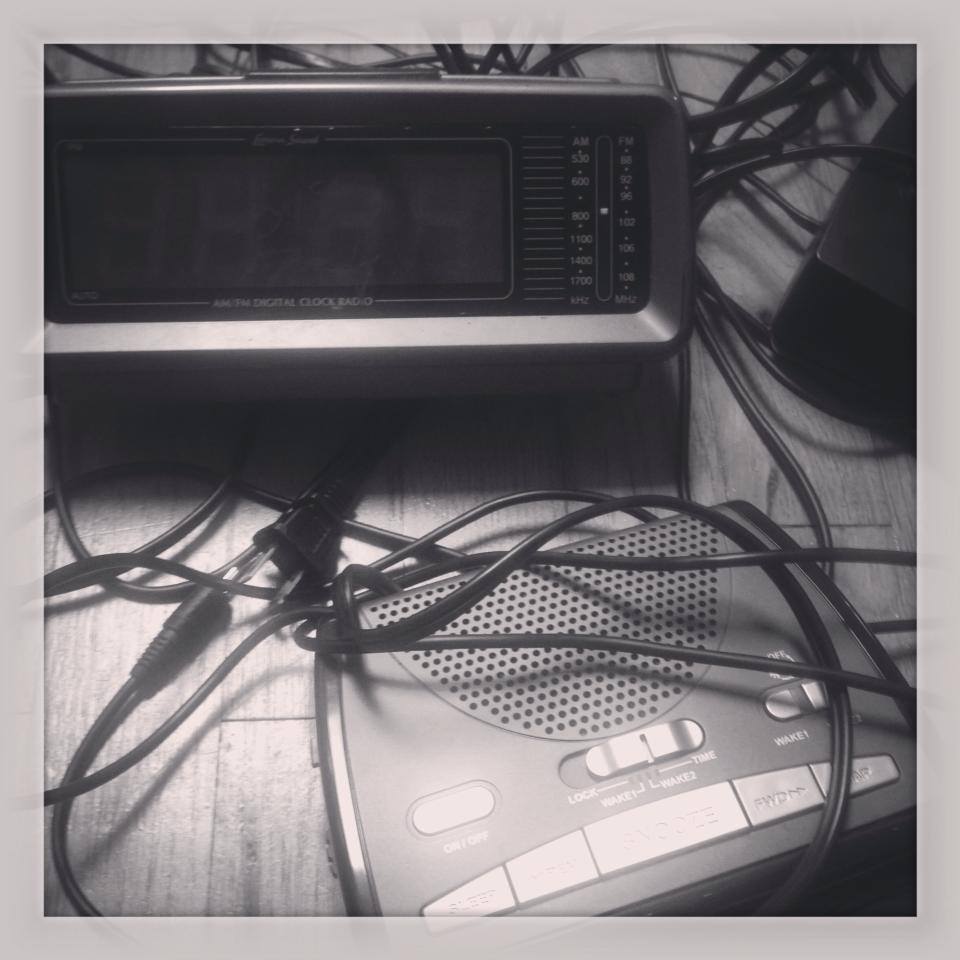
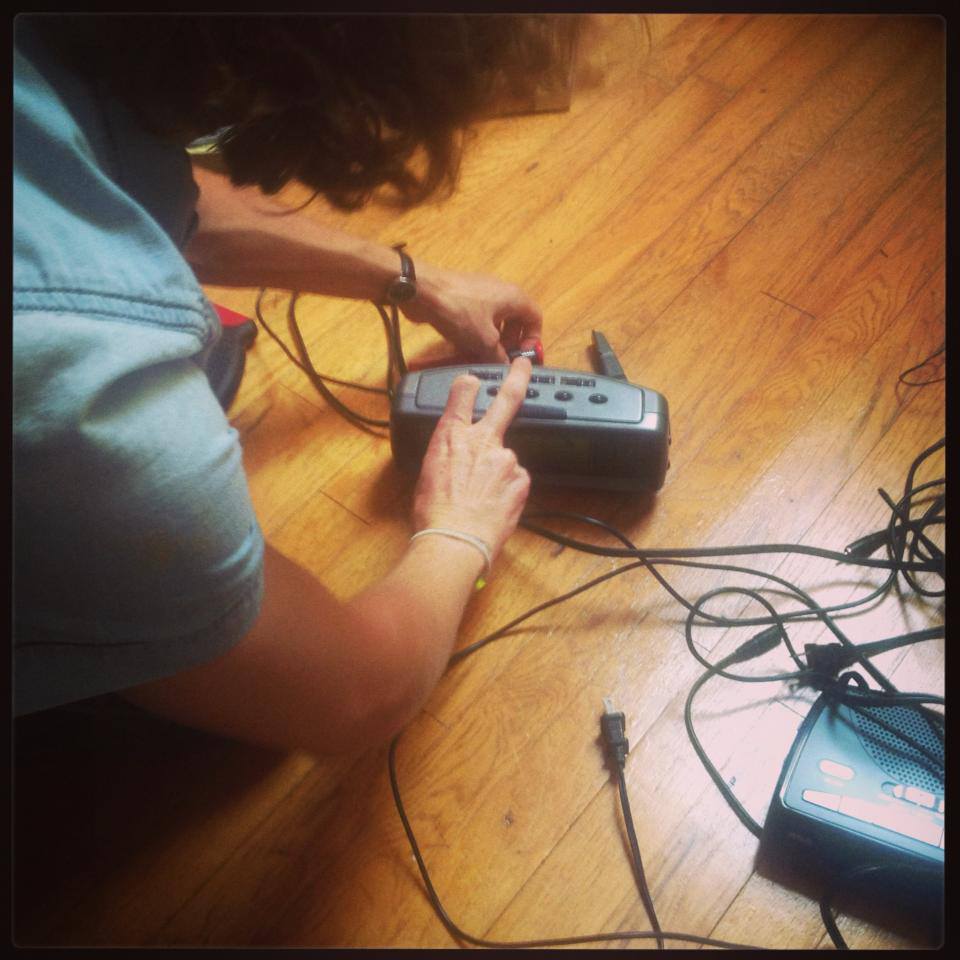
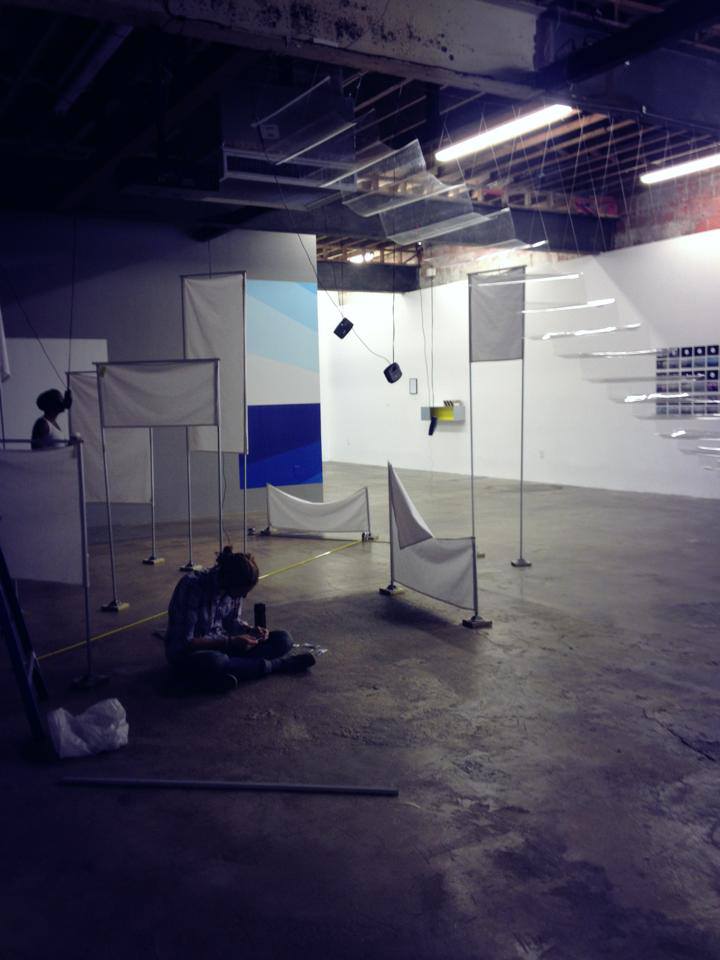
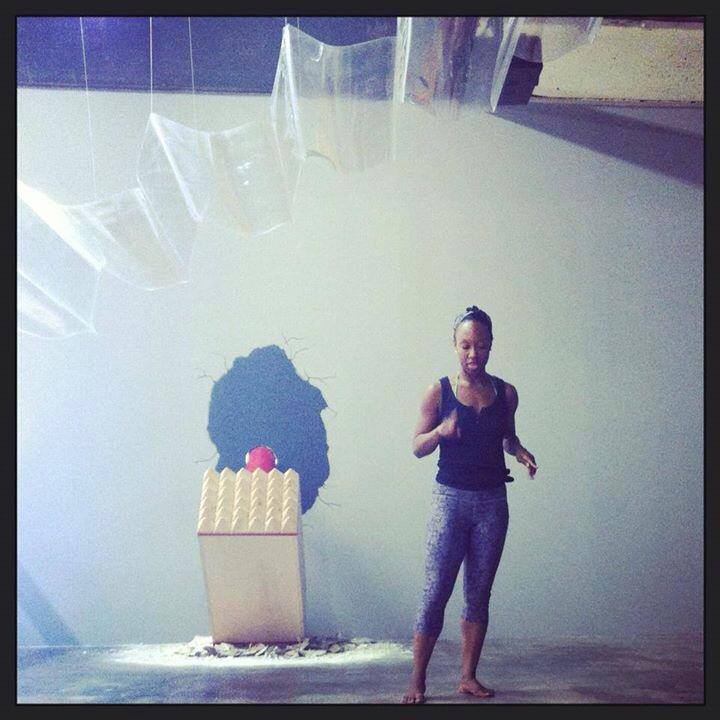
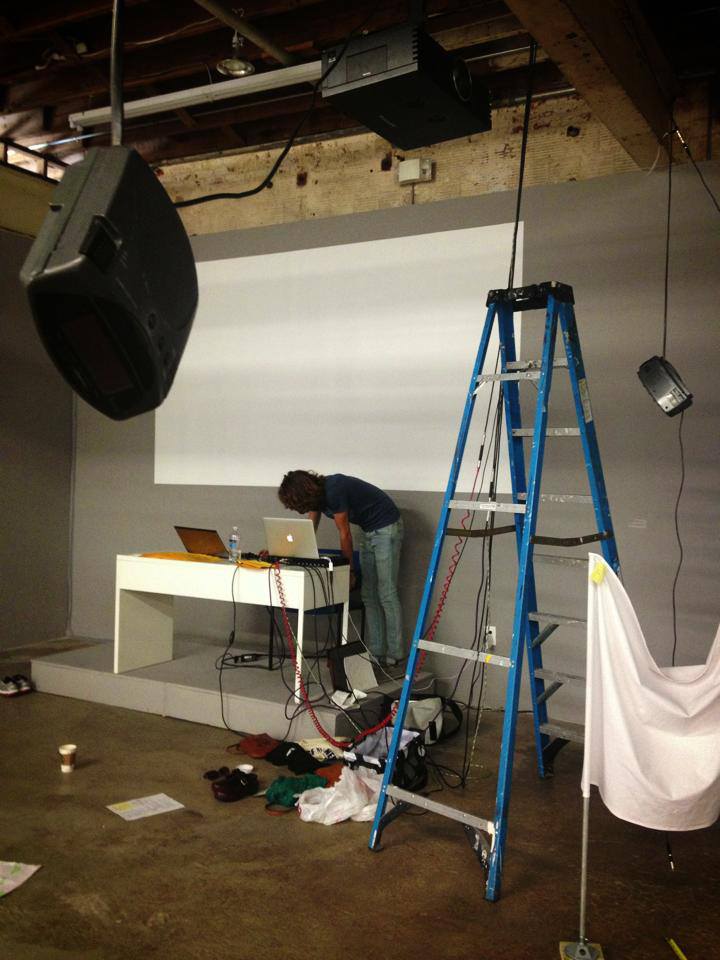
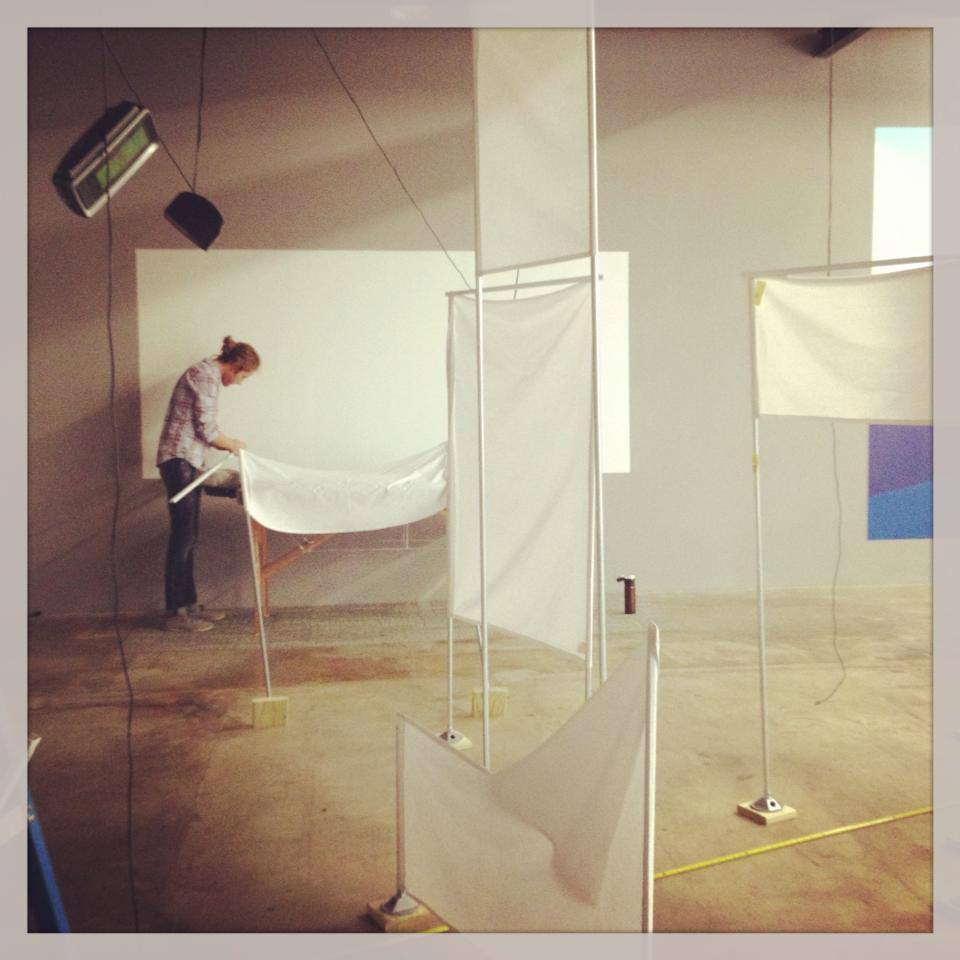
Our installation FM went up on Wednesday at Diverse Works Art Space. With over 150 people in the gallery, we had a blast. What fun to work with Mark Hirsch and Courtney D. Jones to create a sound/dance/video participatory installation. We must do it again. (stay tuned…)
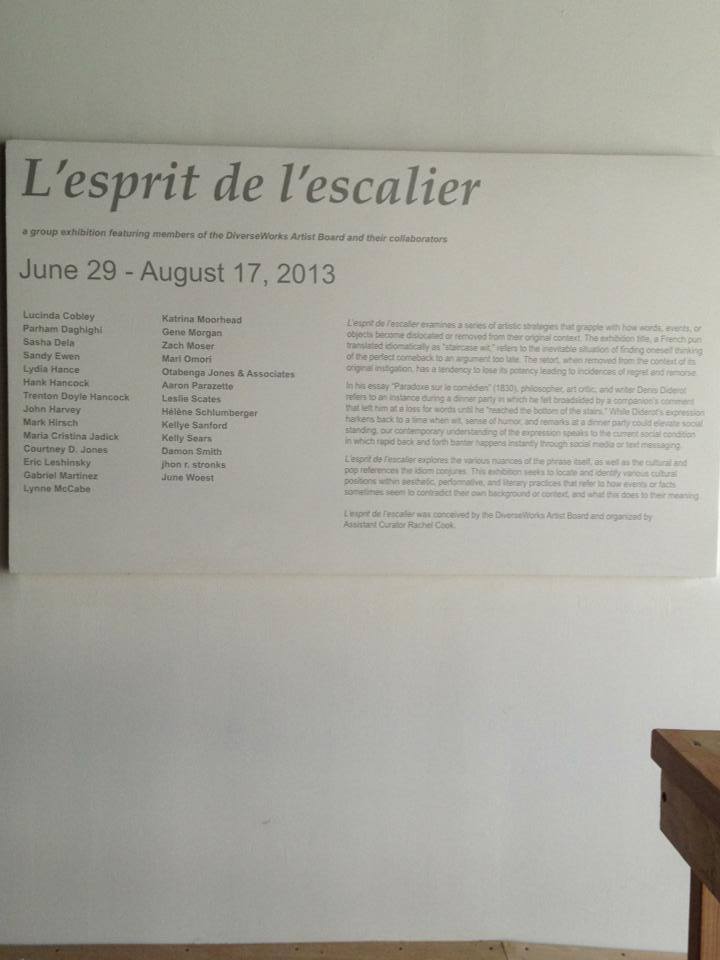
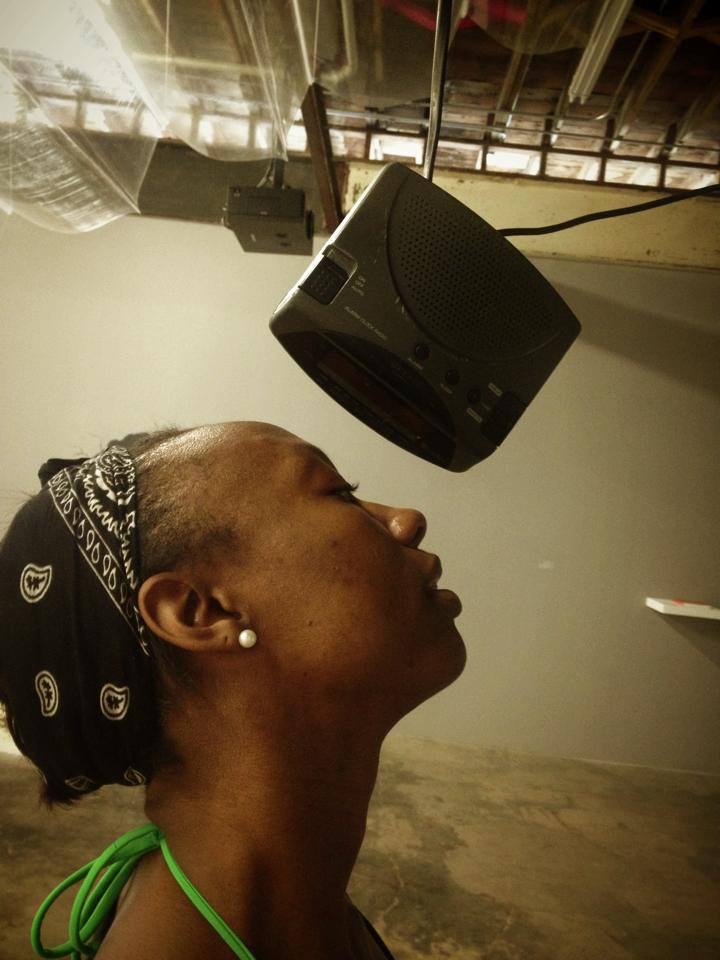
Lydia here. We have a premiere tomorrow opening at Diverse Works. As a part of the Diverse Works Artist Board I get to be a part of a show called L’Esprit de L’Escalier. And the best part? I get to collaborate with two artist whom I absolutely adore. The one and only Courtney D. Jones will be dancing the solo that I am choreographing and Mr. Mark Hirsch (remember “Quiver?) has made an incredible video and sound installation with radios, multiple screens, and some pretty fly 8mm.
The deets: Tomorrow (Wednesday) at Diverse Works Artspace @ 4102 Fannin St. We will begin at 6:30 and it is Free, Free, Free!
Rachel Holdt! She’s an emerging dance artist, choreographer, filmmaker, budding dance scholar and performance artist making work in academic and professional settings for the past six years. In the past few years, her practice has evolved to include technology for dance performance incorporating dance for film, gaming devices, projection, and software. She recently completed coursework at Mills College for her MFA in Dance Choreography and continues to create, perform, and research performance technologies.
Her research investigates the role of integrated technology for dance education at the university level. Future research will be directed towards required, integrated technology pedagogy for post-secondary education. She is excited to be creating and presenting performance works and critical theory focused on the intersection of dance and technology, and will continue to develop work that includes and investigates this developing field.
What music inspires you the most in the classroom; in the choreographic process?
Having recently completed my MFA at Mills College in Oakland—and having worked with and been exposed to the world-renowned experimental musicians there, I do approach this particular topic with a great deal of self-realized snobbery.
Inspiration comes from many sources, and less is definitely more, but soundscapes that evoke ideas are the most compelling. Jacaczek, a polish electro-acoustic musician is one of my most fruitful sources of inspiration in both the classroom and for choreography. I tend to lean heavily towards the electronic artists, but there are very few acoustic or traditional musicians that move me as deeply. I find that electronic musicians can create an environment that can be more loosely interpreted than direct methods of traditional musical artists, giving me freedom to create with the sound or directly oppose it. Some other favorite electronic artists are Squarepusher, Aphex Twin (AKA Caustic Window and AFX, Richard D James), Autechre, Ulrich Schnauss and Goldfrapp.
I had the privilege to work with two very different musicians during my time at Mills College and I will shout out to them here for their incredible work and amazing music. An electronic artist working with feedback loops and closed circuits is Nicholas Wang. Also, a jazz pianist who composed an entire evening length work for me in January is Brett Carson.
Since I am a writer and have a deep affinity for words, I also find that conversations, text, and spoken work inspire my work almost just as much as sound. The Prelinger Arcives—a free source for music, sound, video and more—are a wonderful source for sound of this kind. Their archive is expansive and has provided me with rich inspiration for many of my works.
Traditional musicians that are capable of getting my creative juices flowing are rare, but there are a few that inspire every time. A few of the old faithful’s are– Max Reichter, Morton Feldman, Wim Mertens, Zoe Keating, Yann Tiersen, Nortec Collective, Beats Antique, and Ludovico Einaudi.
What are your three favorite tracks to teach a modern dance class to?
When teaching a Modern class, the following three tracks are my top three picks– Jacaczek, album Glimmer, track Goldengrove. Autechre, album Anti, track Djarum. Max Reichter, album Memoryhouse, and track November (first runner up is also Max Rieichter, album Valse Avech Bachir, trach Into the Airport Hallucination. What are your top tracks to get the rehearsal process going?
When I’m floundering for inspiration, I listen to ABBA. Yes, they are old, but boy are they fun. I find their upbeat tempo and harmonies get me inspired to move around the room. For more reflective creations, I love Everywhere I Go by artist Lissie. John Cale also has some interesting takes on music, which can completely change my direction at times, and Sigur Ros evokes some interesting ideas. Pick 5 tracks that should be on every dancer’s ipod?
Aphex Twin, Polynomial-C
Darren Korb, (from Bastion Soundtrack), Build That Wall
Blumenweise Neben Autobahn, Ulrich Schnauss
Oltremare, Ludovico Einaudi
Zoe Keating, Legions(war)
Yan Tiersen, L’Absente Do you have a ‘secret weapon’ song or artist when you need go-to inspiration?
Video Game Soundtracks
Some interesting musicians to watch or Rising Stars – Rosina Kazi, Ensemble Mik Nawooj
Sarah Wildes Arnett is Founder/Artistic Director of SWADanceCollective and Assistant Professor of Dance at Valdosta State University in Georgia. She received a Master of Fine Arts in Dance Choreography at the University of North Carolina at Greensboro in 2012 and a Bachelor of Arts in American Studies from Vanderbilt University in Nashville, Tennessee. Sarah’s interests are interdisciplinary as she enjoys integrating her talents in film-making, photography and music composition into her choreography while also expanding boundaries of genre and style. She continues to perform professionally with various companies and artists in the southeast. Most recently, she has performed and shown work at the MAD Festival (Atlanta), Alabama Dance Festival (Birmingham), NC Dance Alliance Annual Event (Greensboro) and RE:Vision by Forward Motion Theatre (NYC). http://www.swadanceco.com/
Stay tuned for her MFA-related musings!
It promises to be an informative and engaging series, we can’t wait!
We’ve been recovering from our jam-packed show week and Lydia’s tooth surgery 🙁 (Leave her a get well message in the comments!) Hope you have had a wonderful week! Almost the weekend!
Ecouter was FABULOUS last weekend – each night was close to capacity and filled with local talent! A BIG thank you to all who came out and supported the event!
——————————–
Now onto Thesis Thursday! Written by Frame Development Assistant, Lena Silva.
In case you’re not caught up with Frame’s newest weekly series, Thesis Thursday, you can catch up on the last three blog posts here. In a nutshell, this series features installments of my senior thesis written for Rice University’s Center for the Study of Women, Gender and Sexuality. It explores the topics of Contact Improvisation, Feminism, feminist performance art, and female empowerment through movement.
If you don’t have time to read through the past blogs, have no fear! Here’s a re-cap of my general thesis statement:
I will argue that CI is a complex feminist practice. The relationship CI has to feminism is complex because it is not inherently feminist, but enables women to have a feminist experience.
This week will feature Part I of II blogs detailing the connections between CI founder Steve Paxton and radical feminist Yvonne Rainer.
Ch. I Part III. Contact Improvisation and Feminist Influences
As a white, unconsciously ambiguous artist, oblivious to art world sexism and racism and ensconced in dancing (a socially acceptable female pursuit), I started reading…Sisterhood is Powerful…Scum Manifesto and…Dialectics of Sex. I had never thought of myself as belonging to an oppressed group – nor privileged one, for that matter – especially as I began to achieve recognition.[1]
These words belong to Yvonne Rainer, a colleague who danced alongside Paxton under Cunningham and in the Judson Dance Theatre. She became intimately involved in the women’s rights movement and declared herself a “political lesbian.”[2] She is today renowned as the quintessential feminist performance artist, and has received the prestigious MacArthur Foundation Fellowship in 1990 and two Guggenheim Fellowships. She is widely known for her solo dance “Three Seascapes” (1962), in which the female dancer performed a screaming fit downstage in a pile of gauze and a black overcoat. Sally Banes notes that critics have understood Rainer’s piece as feminist in the sense that the screaming dancer’s actions “…may be seen as a critique of hysteria – that is, of the female dancer’s image as gripped by out-of-control emotion.”[3] This criticism of hysteria is common to many feminist writers of the time period including the author of one of the above-mentioned texts, Shulamith Firestone.
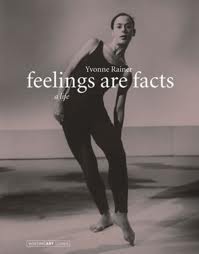
Yvonne Rainer on the cover of her autobiography, Feelings Are Facts.
In 1970, Paxton joined the Grand Union improvisational dance company spearheaded by Yvonne Rainer. The Grand Union was a collective of nine performers, many of whom had danced together for many years, like Paxton and Rainer, who gathered to investigate dance, theatre and performance.[4] Rainer’s piece entitled Continuous Project-Altered Daily (CP-AD) was the pivotal work that led to the consolidation of the group. CP-AD was named to describe the ever-changing process that was the “show” seen by audiences. This “show” entailed an anarchic, free-associative performance with dialogue, props, costumes and music. The show was an exploration of the dance-making process, which included both improvisation and choreography, as well as pedestrian and professional movement.
Steve Paxton
The organization of the Grand Union allowed members to “participate equally, without employing social hierarchies in the group.”[5] Paxton thoroughly enjoyed “…the development of trust within the group, the necessary precondition of mutual agreement for dependency, the pleasure of establishing firm communication and sharing explorations.”[6] He was critical of the dictatorial hierarchies that were often imposed within traditional ballet, modern and even post-modern dance companies. He wrote: “It was the star system. It is difficult to make the general public understand other systems, inundated as we are with the exploitation of personality and appearance in every aspect of theatre. Though this basic poverty of understanding on the audiences’ part is a drag, unique and personalized forms have been emerging, such as those seen in…the Grand Union.”[7] Yet again, Paxton prioritized the opening up of new “systems” of movement beyond the exploitative nature of commercial dance in a capitalist society.
The performances by the Grand Union would last for several hours often with no set beginning or end; the audience would ebb and flow. Grand Union performances were opposed to the commonplace paradigm of dance shows that relied on stylized manipulation of dancers’ bodies to entertain audiences. The emphases put on democratic leadership and decision-making led to performances in which no single dancer was the “star,” which also broke from the traditional dance show paradigm. The “star” was the spontaneous process itself that manifested onstage, a process that had been previously discussed and conceptualized in a democratic manner and a process that gave, according to Sally Banes, “…permission for the dancers to make choices and exercise freedom within an overall structure.”[8]
With such a high level of cooperation and exchange, Yvonne Rainer’s feminist practices that were anti-hierarchical and overtly anti-sexist become more than perfunctory detail and venture into the realm of purposefully influential. Rainer was a self-proclaimed “political lesbian” who responded to Audre Lorde’s famous quote: “You can’t dismantle the master’s house using the master’s tools” with “You can, if you expose the tools.”[9] The main “tools” that Rainer may have been referring to are the patriarchal organization of society and commercialization of nearly every facet of humanity that, through art, can be exposed and symbolically challenged and changed. The political exploration and experimental dance processes spearheaded by Rainer and complimented by her feminist ideology epitomize the early work of the Grand Union, and strongly influenced the work of Paxton who was often featured in Rainer’s work and often used Rainer in his own pieces.
[1] Yvonne Rainer, Feelings Are Facts: A Life (Cambridge, MA: The MIT Press, 2006), 385-386.
[2] Ibid., 437. The full quote reads: “Through most of the 1980s, in close friendships with a number of younger lesbians, determined not to enter into any more ill-fated heterosexual adventures, and already showing up at Gay Pride parades, I was calling myself a “political lesbian.”
[3] Banes, “Feminism and American Postmodern Dance,” 36.
[4] Sally R. Banes, “Grand Union: The Presentation of Everyday Life as Dance,” Dance Research Journal 10 (1978): 43.
[5] Steve Paxton, “The Grand Union,” The Drama Review (1971): 130.
[6] Banes, “Grand Union: The Presentation of Everyday Life as Dance,” 45.
In case you’re not caught up with Frame’s newest weekly series, Thesis Thursday, you can catch up on the last three blog posts here. In a nutshell, this series features installments of my senior thesis written for Rice University’s Center for the Study of Women, Gender and Sexuality. It explores the topics of Contact Improvisation, Feminism, feminist performance art, and female empowerment through movement.
Here’s a re-cap of my general thesis statement:
I will argue that CI is a complex feminist practice. The relationship CI has to feminism is complex because it is not inherently feminist, but enables women to have a feminist experience.
If you don’t have time to catch up on the first two posts, have no fear! It’s a perfect week to dive in! In this post, I will explore the relationship between CI’s history and postmodern art of the 1950’s-60’s. Enjoy!
——————
Chapter I. Part II. CI and Postmodernist Influences
The Living Theatre opened in 1947 and is the longest standing experimental theatre group in the U.S. “Over the course of almost fifty years, The Living Theatre has been known as the most radical, uncompromising, and experimental group in American Theatrical history.”[1] It pulled Steve Paxton (see past posts for more info on Paxton, who is hailed as the originator of CI) into its vortex of action and awakened his political consciousness. The theatre is known for the radical politics of its founders’, Judith Malina and Julian Beck, specifically their commitment to nonviolence, anti-hierarchy and anti-commercialism of art. Their politics manifested in a unique theatre experience that transcended the specific medium such as film, painting, or dance, and aimed to engage the audience by dissolving the “fourth wall,” which separates audiences from the stage, and exposing them to what Antonin Artaud theorized as the “theatre of cruelty.” Artaud was a French playwright and actor prolific in the early 1900’s in Europe.[2] He is widely known for his writings regarding the theatre of cruelty, which was a stark portrayal of reality meant to propel the audience from passive complacency to thoughtful action. According to theatre critic Albert Bermel, Artaud believed that, “If theatre is a necessary part of our lives…[i]t has an obligation: it’s every performance must, by virtue of its cleansing and purifying, transfigure those audiences.”[3] One example of such theatre is Jack Gelber’s play, The Connection, which featured actors already on stage as the audience entered the theatre. The actors are waiting for their heroin dealers and walk through the aisles asking for money to get a fix during intermission.[4] In the words of Julian Beck:
To call into question
who we are to each other in the social environment of theater…
to set ourselves in motion
like a vortex that pulls the
spectator into action…
to move from the theater to the street and from the street to the
Robert Dunn’s composition (choreography) classes taught at Merce Cunningham’s studio in The Living Theatre from 1960 – 1962 were the impetus for the development of the Judson Dance Theatre two years later.[6] Dunn’s first composition class started with only Paxton and four other students. Paxton worked with Dunn for the next four years, and Paxton was forced to challenge the conventions of his modern dance training. Paxton says of the experience:
The work that I did there was first of all to flush out all of my “why-nots,” to go through my “why not” circles as far as I could until getting bored with the question…It was a very permissive time…which was my first contact with the rise of political consciousness – where I first saw a peace symbol, where I first saw dope smoked, where they were doing plays like The Connection and talking about prison reform.[7]
Yvonne Rainer, a fellow dancer in Dunn’s choreography class at The Living Theatre recalls a piece by Paxton in which he sat on a bench and ate a sandwich.[8] This piece was minimalist and its rejection of modern dance conventions and refined technical vocabulary was groundbreaking for the time period. It demonstrated anti-commercialism and criticized over-the-top entertainment. Dunn’s classes led to Paxton and his classmates creating many diverse dance scores. Eventually the classmates decided to present their collection of work as the Judson Dance Theatre (JDT), in the Judson Memorial Church in Greenwich Village, New York City on July 6, 1962. So began the Judson Dance Theatre’s twenty-year domination of the postmodern dance scene. According to dance scholar Sally Banes, “It was the seedbed for post-modern dance…The choreographers of the Judson Dance Theatre radically questioned dance aesthetics…”[9] The JDT is widely regarded as the first organized instance of postmodern dance. It defined postmodern dance as a reaction to modern dance that rejected many of modern dance’s technical constraints. The result was an embrace of everyday movement. The techniques of musicians who used non-traditional instruments, chance composition and improvisation complemented this new type of performance. These elements would be seen later in Contact Improvisation, which also utilizes improvisational musicians to create a musical score in jams and performances.
The group’s success was partly due to the egalitarian and democratic nature of the organization. Judith Dunn, a dancer in the first concert and wife of Robert Dunn, wrote, “No important decisions were made until everyone concerned and present agreed.”[10] Again, this lesson, taught by Cunningham and Limón, was not lost on Paxton as evidenced by the anti-hierarchical, cooperative and egalitarian organization in his own movement form and practice. However, the JDT pushed Paxton outside the technical and apolitical style of modern dance and exposed him to postmodern experimentation with the mundane and pedestrian as a form of political critique which I will argue set the stage for a feminist experience to develop.
[1] John Tytell, The Living Theatre: Art, Exile, and Outrage, (New York: Grove Press, 1995), xi.
[2] Albert Bermel, Artuad’s Theatre of Cruelty, (London: Methuen, 2001), vii-viii, 115.
[9] Banes, Democracy’s Body: Judson Dance Theatre, xi.
[10] Sarah Doran, “The Judson Dance Theater,” Greenwich Village, http://terpconnect.umd.edu/~molouns/amst450/village/judson.html (accessed November 8, 2012).