
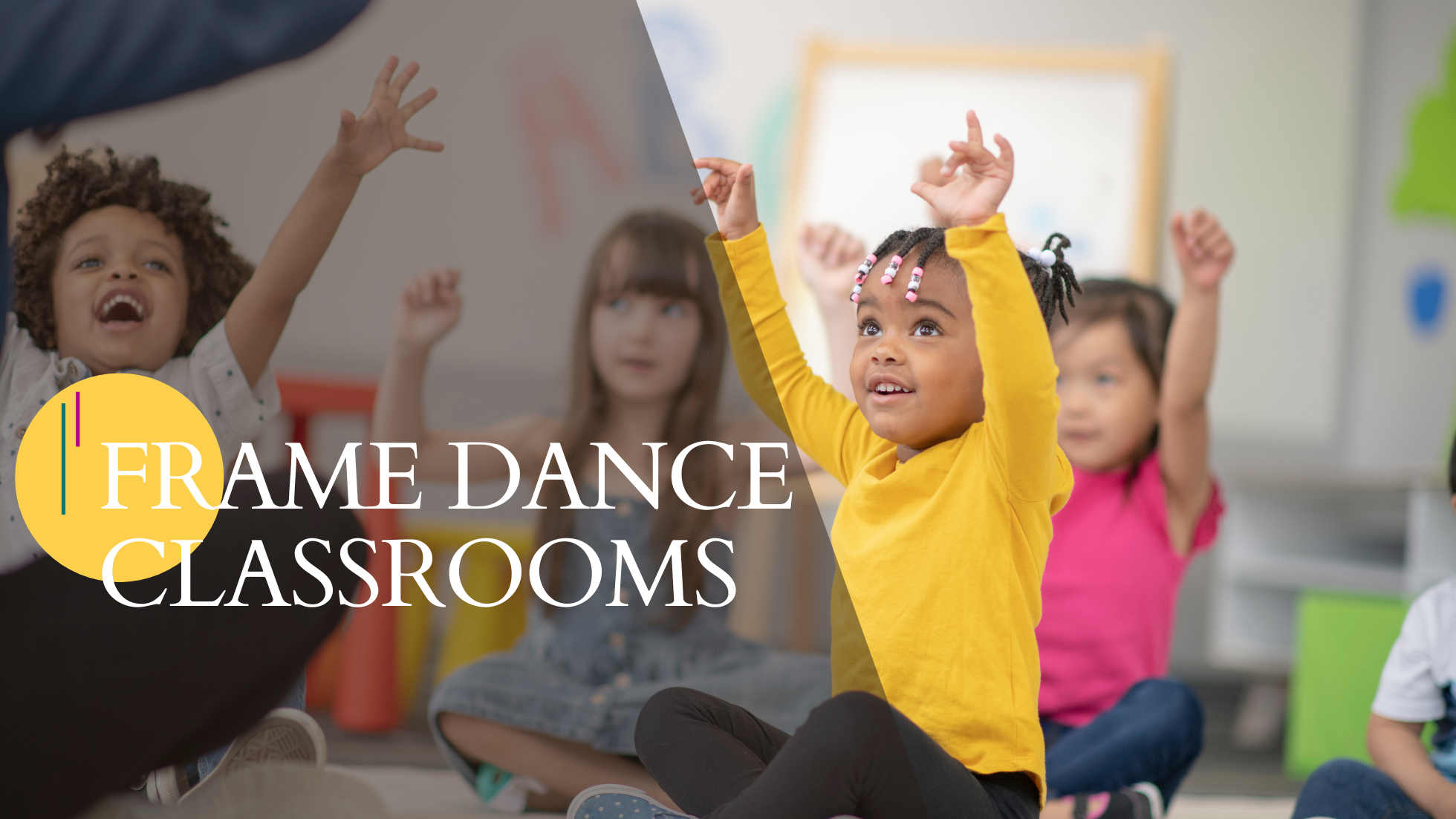
Young children learn best through movement, yet most early childhood classrooms are structured for stillness. The result?
Shorter attention spans, higher dysregulation, and more pressure on teachers during the toughest moments of the day.
Frame Dance Classrooms is a professional development program that gives early childhood educators the confidence and skills to use movement as an essential part of learning, regulation, and classroom management.
Each training module includes simple, research-backed strategies paired with tools teachers can start using the very next day in their classroom.
The result?
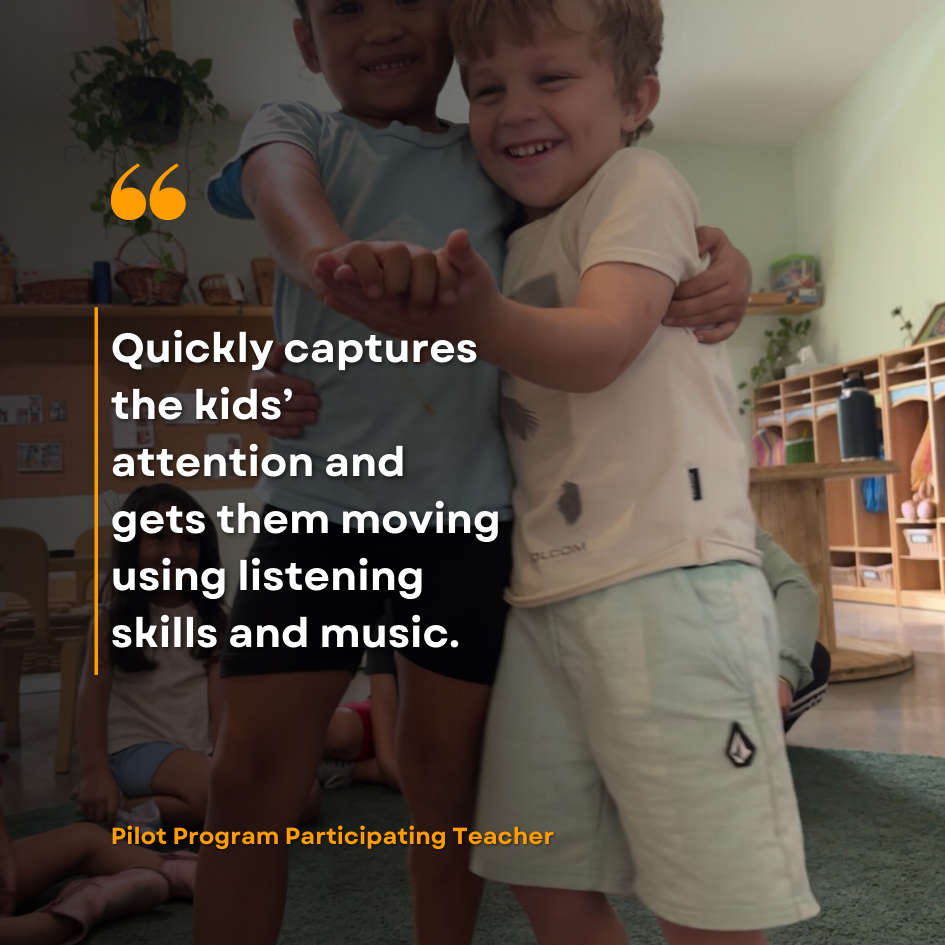
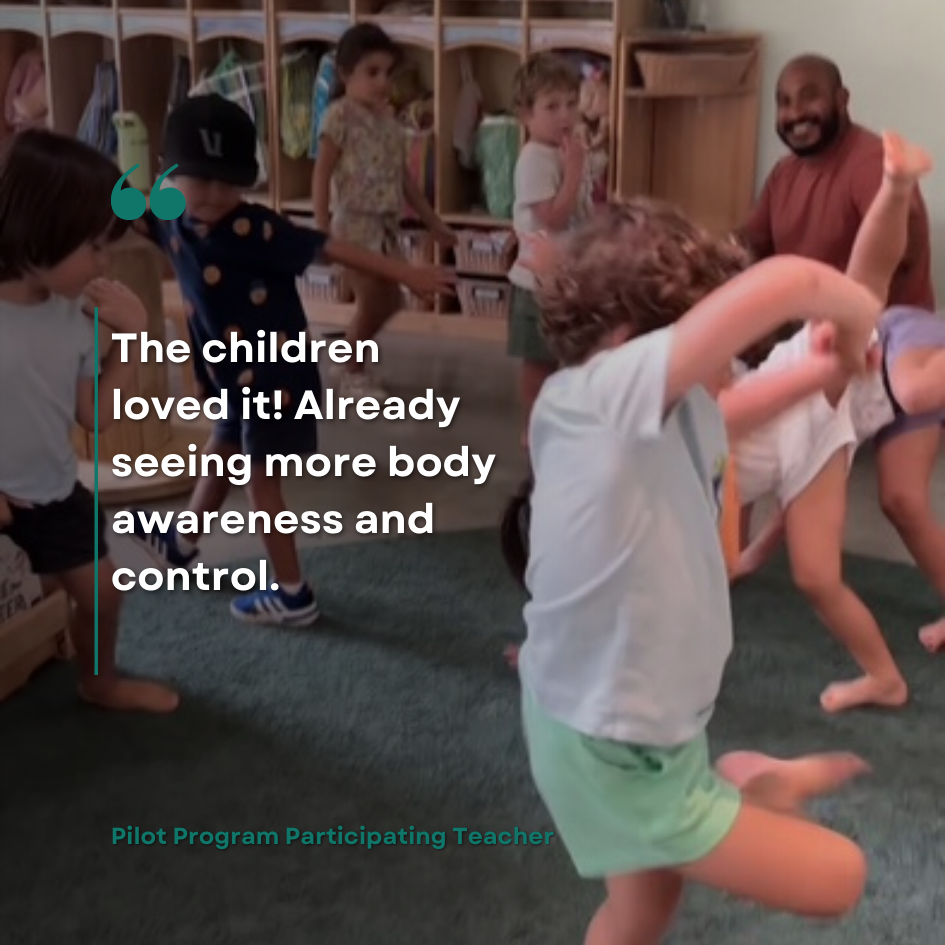
Children who are more regulated, more engaged, and more connected. Teachers who feel supported, energized, and equipped.


Not Another Curriculum….
Our pilot across 10 Houston schools taught us something powerful:
Teachers aren’t looking for another curriculum.
They’re looking for support—and practical movement strategies they can weave into the day without extra prep.
So Frame Dance Classrooms evolved into a PD-driven program that gives educators hands-on training plus easy-to-use tools like our Circle Time Deck and Transition Cards. These tools make classroom management smoother, help children regulate, and add moments of joy throughout the day.
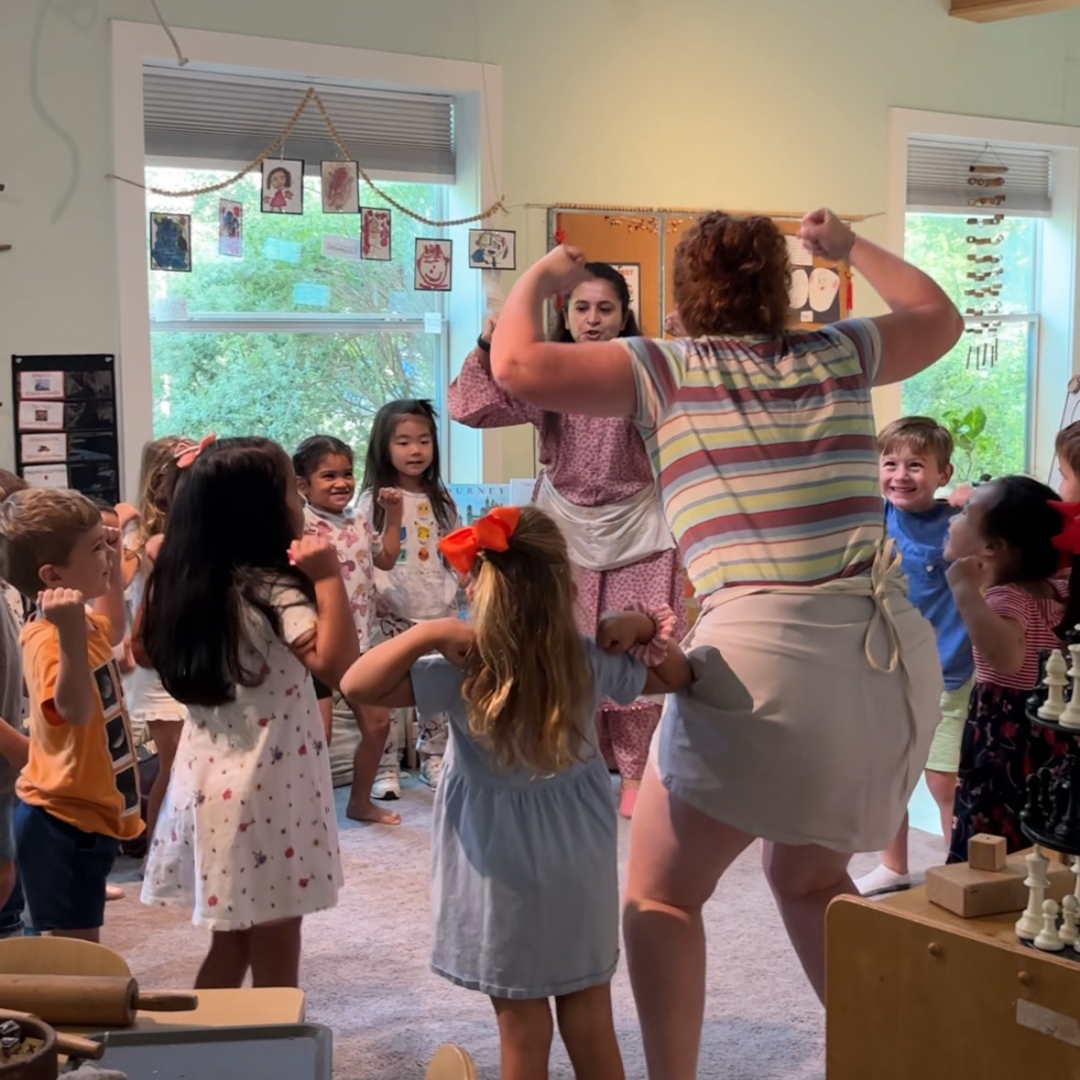
The Frame Dance Classrooms Core PD Modules
Each 60-min module includes hands-on instruction, demonstrations, and classroom tools.
1. The Importance of Creative Dance in Early Childhood Education
How creative movement supports brain development, emotional expression, literacy foundations, and whole-body learning.
Educators learn:
-
Why movement is essential for ages 3–6
-
The developmental benefits of creative dance
-
Techniques for building confidence and imaginative play
2. Movement as a Classroom Management Technique
Teachers learn to use movement intentionally to support regulation, transitions, attention, and community building.
Includes:
-
How to embed micro-movements throughout the day
-
Redirection techniques that use the whole body
-
Strategies for dysregulation, emotional overwhelm, and challenging transitions
3. Circle Time Reimagined: Regulation, Readiness, and Joy
Circle time becomes a movement-rich, emotionally grounding ritual.
Educators learn:
-
How to use creative dance to open and close the day
-
The science of readiness + co-regulation
-
How to shorten or modify circle time without losing impact
-
Strategies for dysregulation, emotional overwhelm, and challenging transitions
Frame Dance Classrooms Toolkit
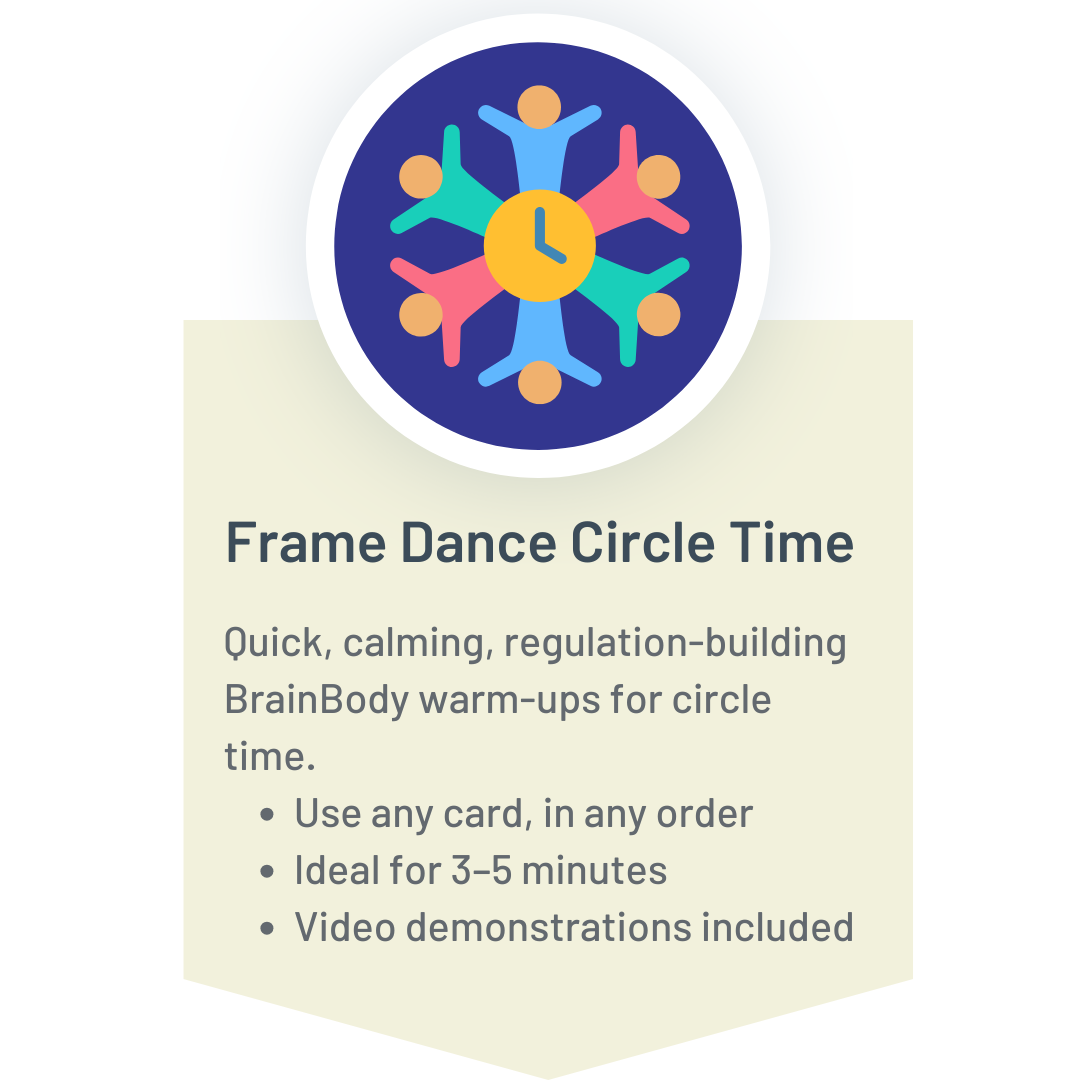
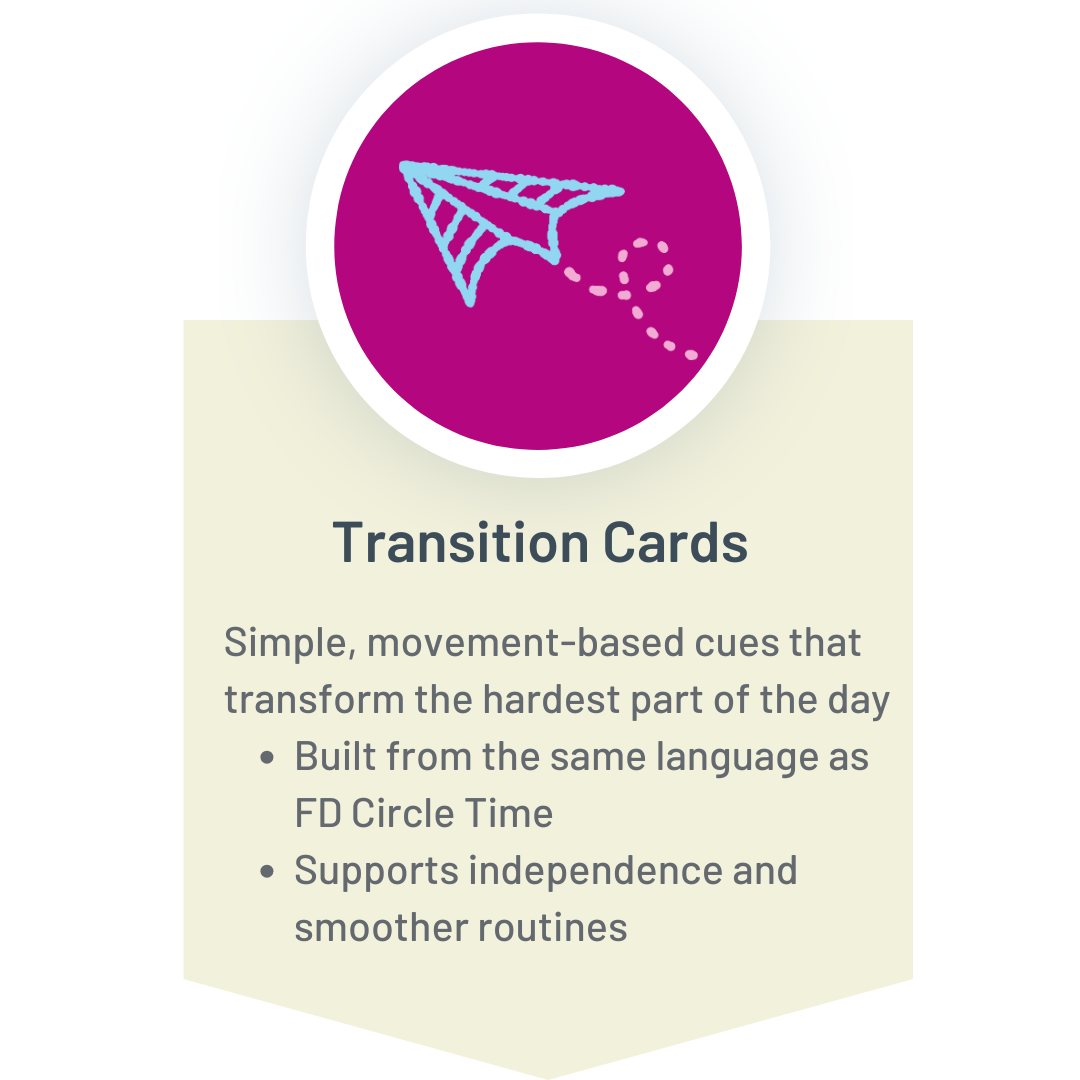
Professional development gives teachers the why and how—but having something you can pick up and use immediately makes all the difference. Our Circle Time and Transition Cards provide that bridge. They bring movement strategies out of the training room and into real classrooms, offering quick, accessible prompts that help children settle, shift, or re-engage.
These tools, included with our core PD modules, turn good ideas into everyday habits.
Additional Professional Development Modules + Tools
For schools ready to go deeper, Frame Dance Classrooms offers additional professional development modules that pair instruction with purpose-built tools. Each training expands teachers’ understanding of how movement supports learning—and includes tangible resources to help translate that knowledge into daily practice.
1. Dancing Books: Bringing Stories to Life Through Movement
Literacy time becomes an embodied, imaginative experience.
Educators learn:
-
How to translate any children’s book into a movement-rich activity
-
Strategies for supporting comprehension through whole-body storytelling
-
Ways to use movement to strengthen vocabulary, sequencing, and narrative skills
-
How to make storytime more engaging for diverse learners
Tools included:
-
Dancing Books (original titles with movement built into the story)
2. Social-Emotional Learning Through Movement
Movement becomes a powerful pathway for connection, empathy, and emotional regulation.
Educators learn:
-
How creative dance supports emotion recognition and expression
-
Movement-based strategies for cooperation, problem solving, and peer relationships
-
Techniques to help children navigate big feelings in developmentally aligned ways
-
Practices that build a compassionate, community-centered classroom culture
Tools included:
-
Dance Exploration Cards (SEL-focused prompts and activities)
3. Early Childhood Brain Development & Movement
Teachers discover how movement shapes the brain—and how to use it intentionally throughout the day.
Educators learn:
-
The neuroscience behind attention, memory, and sensory regulation
-
How movement supports neural pathways essential for early learning
-
Techniques to align activities with children’s developmental stages
-
Movement strategies that support focus, readiness, and whole-body learning
Tools included:
-
Dance Exploration Cards (developmentally aligned prompts to support sensory and cognitive needs)
Created by Dance Educators. Backed by Research. Designed for Classrooms.
Frame Dance Artistic Director Lydia Hance and Director of Pedagogy Ashley Horn bring decades of experience in dance education, movement science, and early childhood learning. Their approach blends artistry with developmental research to create tools that serve teachers as much as they serve children.
Listen to Lydia & Ashley on the Dance Unscripted Podcast